The EV future is here
Pioneering innovation, awe-inspiring performance. Every day, we’re advancing the frontiers of what’s possible with our all-electric lineup.
View important information.1-3
At home and on the road, you deserve freedom. GM Energy gives you the smart power you need as you live, work, and explore.
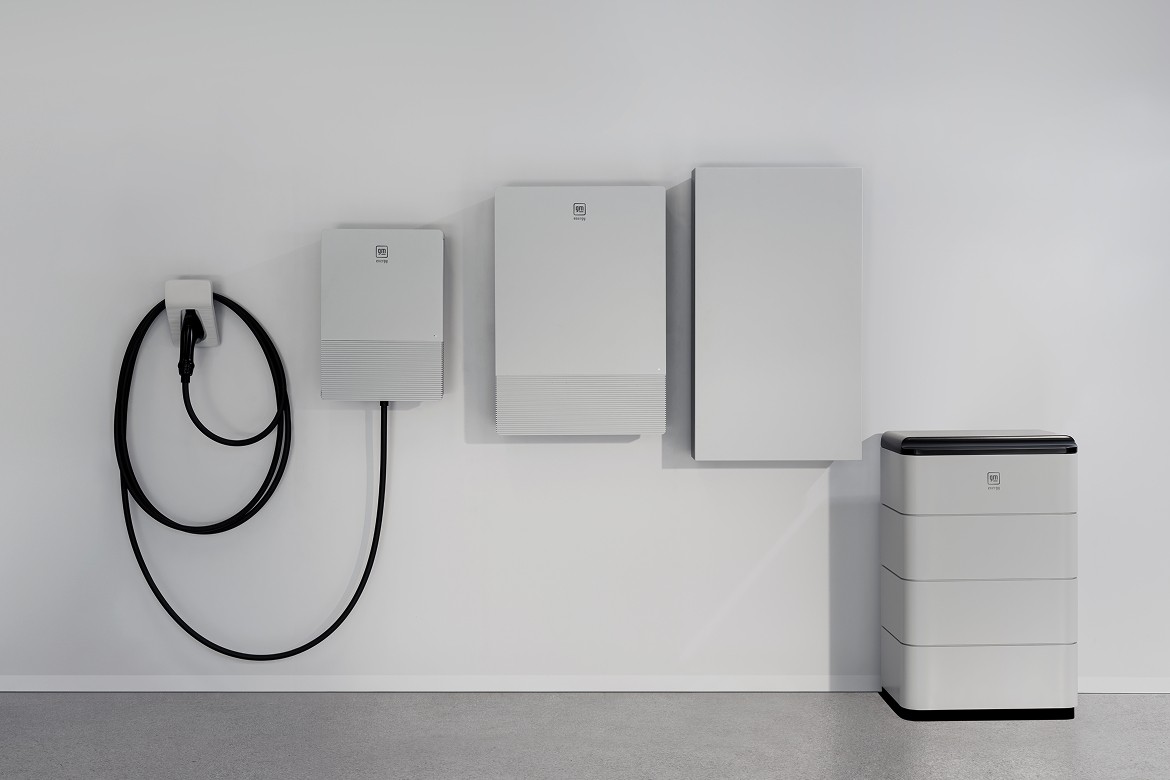
Store up to 20hrs of power from compatible solar panels or the grid with our GM Energy Storage Bundle20. It helps you stay prepared for emergencies or when energy costs spike.
Kurt Kelty, VP of Battery, Propulsion, and Sustainability
Kelty is a globally recognized leader in battery technology. Since joining GM in 2024, he’s helped push the boundaries of battery innovation and propulsion technology.
Powerful partnerships, manufacturing innovations, and a charging network poised for exponential growth. We’re making sure the future for EVs is bright.

Pioneering battery technology
Public Charging Commitment

Factory Zero
Spring Hill

The all-electric walk-in van will now be available and can be serviced at participating certified Chevrolet dealers, offering commercial customers added convenience.
Yes, GM is leading the industry forward with a bold commitment to an all-electric future. We’ve made EVs a top strategic priority across every brand in our portfolio, combining innovation, performance, and design to create electric vehicles for every kind of driver as part of our zero emissions vision.
GM offers a growing lineup of electric vehicles across segments. From the Chevrolet Equinox EV to the GMC HUMMER EV, and All-Electric Cadillac LYRIQ, our portfolio already includes more than a dozen EVs—with more on the way. Whatever your lifestyle or driving needs, we’re building the EV that’s right for you.
GM Energy is a business run by GM. It is dedicated to expanding how we power our lives on and off the road. It offers energy management solutions like home charging, battery storage, and vehicle-to-home technology that work seamlessly with our electric vehicles. It’s all part of GM’s commitment to building a more sustainable, resilient future.
While electric vehicles are a core focus, GM also continues to invest in broad range of vehicles that are created using environmentally friendly practices.
EV charging time depends on your charger, battery size, and weather conditions. At home, the GM Energy Powershift Charger provides fast Level 2 EV Charging, up to 51 miles of range per charge hour21.
The best electric vehicle depends on your lifestyle and budget. General Motors offers a range of electric vehicles to fit the unique and evolving needs of consumers and businesses. The General Motors EV portfolio includes vehicles like the Chevrolet Blazer EV, the Chevrolet Silverado EV, the All-Electric Cadillac LYRIQ, the GMC HUMMER EV SUV, and BrightDrop Zevo vans, just to name a few.
Costs vary based on electricity rates and charger type. On average, charging a vehicle at home is the most time-and-cost-effective method13, with it potentially costing more to charge at public charging stations.
An EV (electric vehicle) runs on a battery and electric motor, producing zero tailpipe emissions. An ICE (internal combustion engine) vehicle runs on gasoline or diesel and emits greenhouse gases. At GM, we’re investing in EVs to help drive toward a future with Zero Emissions without compromising on performance, design, or choice.
A purchaser of a qualified electric vehicle may qualify for a federal new Clean Vehicle22 or new Commercial Clean Vehicle23 tax credit of up to $7,500. Along with federal tax credits, many states offer EV rebates and special offers. Visit your local dealership or check your state’s website to learn more.
GM offers several long-range electric vehicles (EVs), including the Chevrolet Silverado EV (up to 492 miles24), the 2025 GMC Sierra EV Denali (up to 460-miles25). GM is committed to advancing battery capabilities for EVs and continues to expand its lineup with high-range models across Chevrolet, GMC, Buick, and Cadillac.


